
.svg)
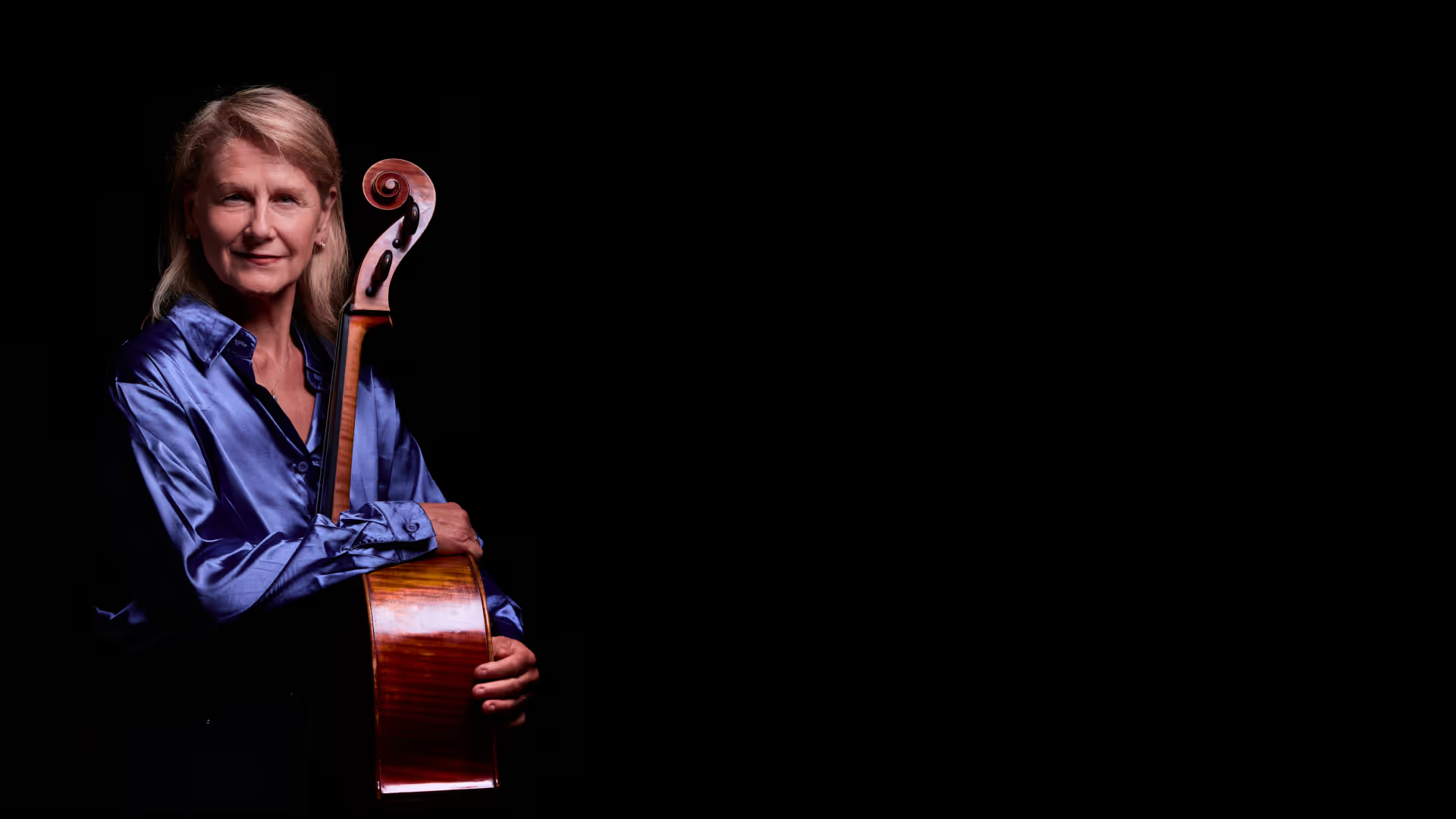
My story
An essential musician
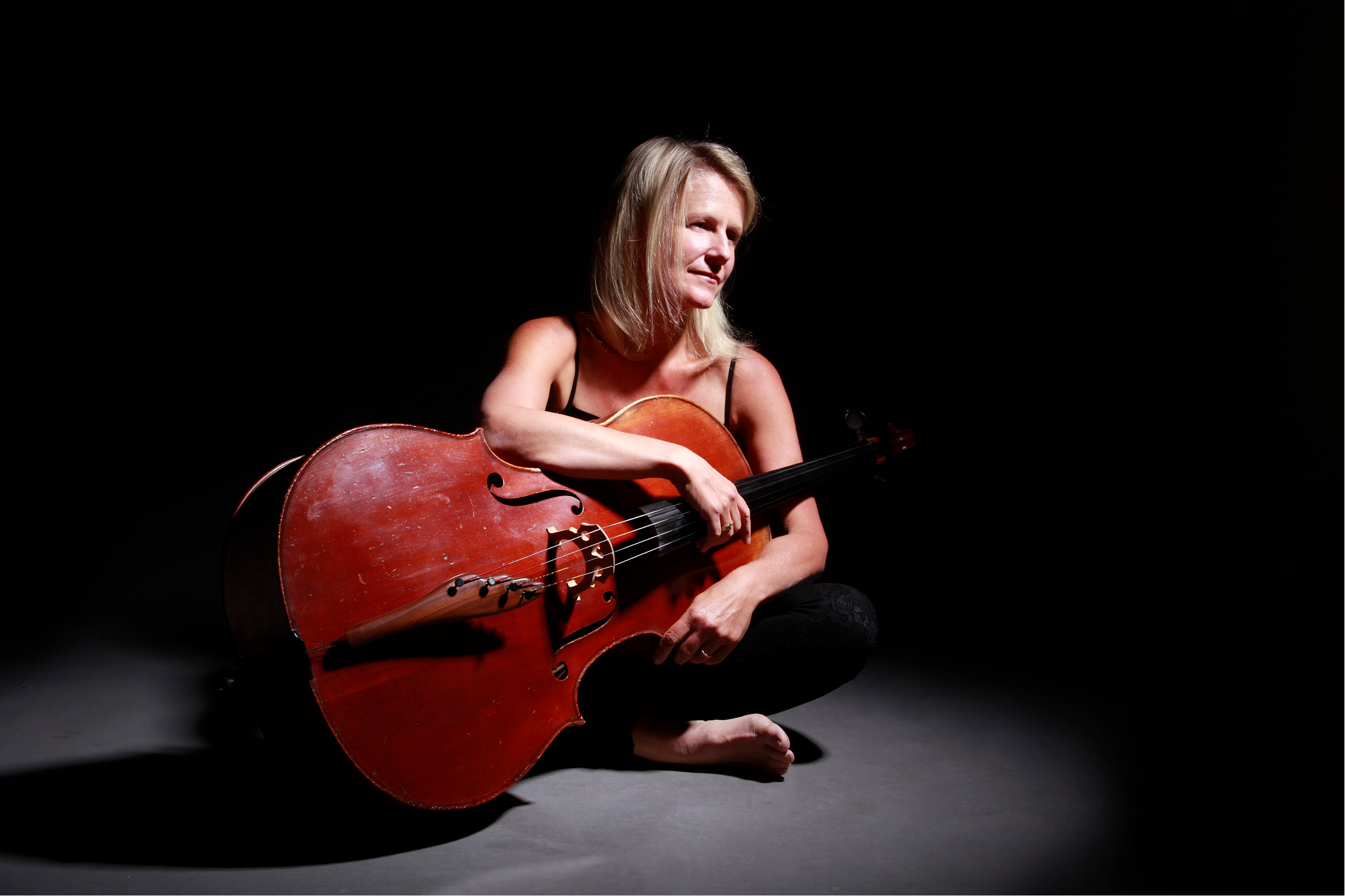
There are artists whose music seems to spring from the soul rather than from the fingers. Marie-Claude Bantigny is one of them. Trained under the great masters of French cello — Maurice Gendron, André Navarra, Roland Pidoux — she perpetuates a demanding heritage without ever making it a straitjacket. Winner of the First Prize for cello and chamber music from the CNSM in Paris, she won the First Prize at the International Trieste Competition very early on with the Fidelio Quartet. But more than the titles, it is the intensity of her inner quest that gives her career its unique color.
A bright and simple career
A renowned soloist and chamber musician, she has performed in the largest halls — Salle Gaveau, Pleyel, the Louvre, the Lincoln Center — and in renowned festivals such as La Roque d'Anthéron. His game, always sober, digs into the space of silence to better make what is not said heard. Her first album, I am another, is both manifest and profession of faith: the artist as a smuggler, witness to a voice larger than oneself. His cello interacts with the words of Rimbaud, Lamartine or Browning, creating recitals where music marries poetry, breath and secrecy.
Transmit and reveal
A teacher as well as a performer, holder of the Certificate of Aptitude, Marie-Claude Bantigny teaches in several conservatories while holding the position of solo cello at the Orchestre Colonne. His discography, praised by critics — in particular his complete Brahms sonatas with Karolos Zouganelis, distinguished by the CLIC of Classic news — reflects this constant concern for balance between fidelity to the work and personal exploration.
A singular voice in the musical landscape
What is the strength of his universe is this inner light, never garish, always right. Music of depth, which touches without pressing, which reveals rather than explains. Collaborating regularly with contemporary composers such as Éric Tanguy, Laurent Petitgirard, Laurent Petitgirard, Kaspar or Canat de Chizy, she places the timeless in the present and reconciles the intimate and the sacred, the past and the present.
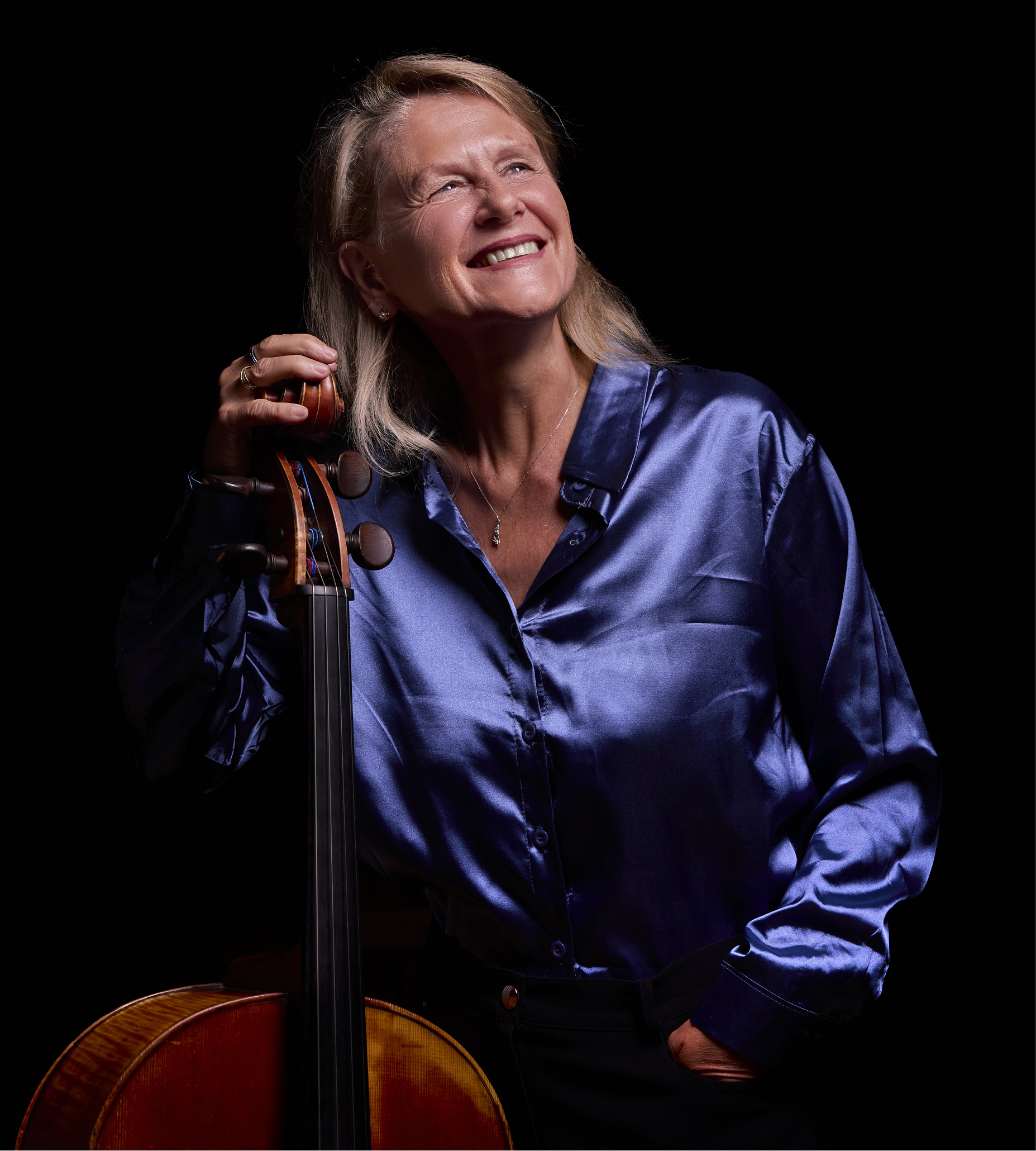
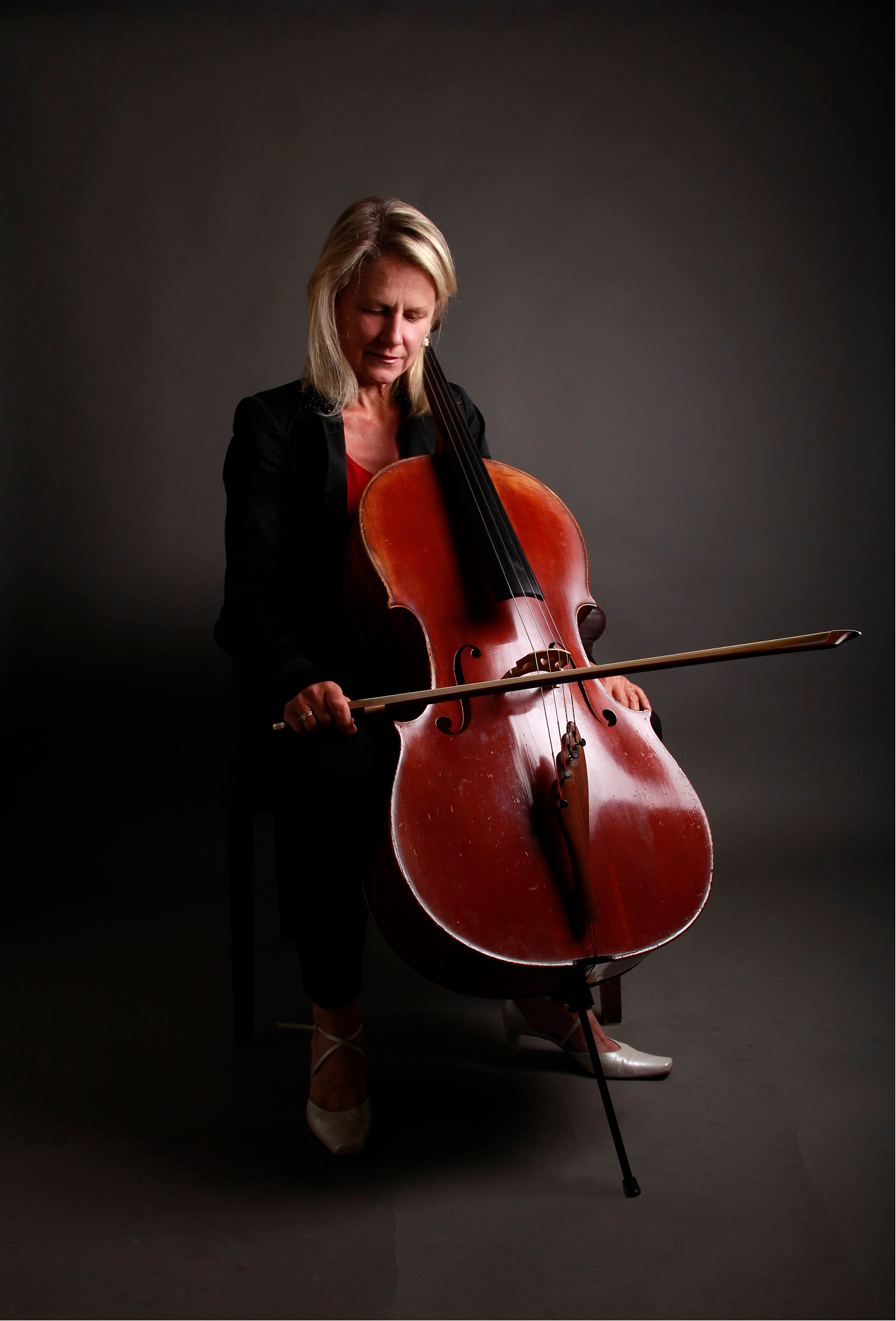
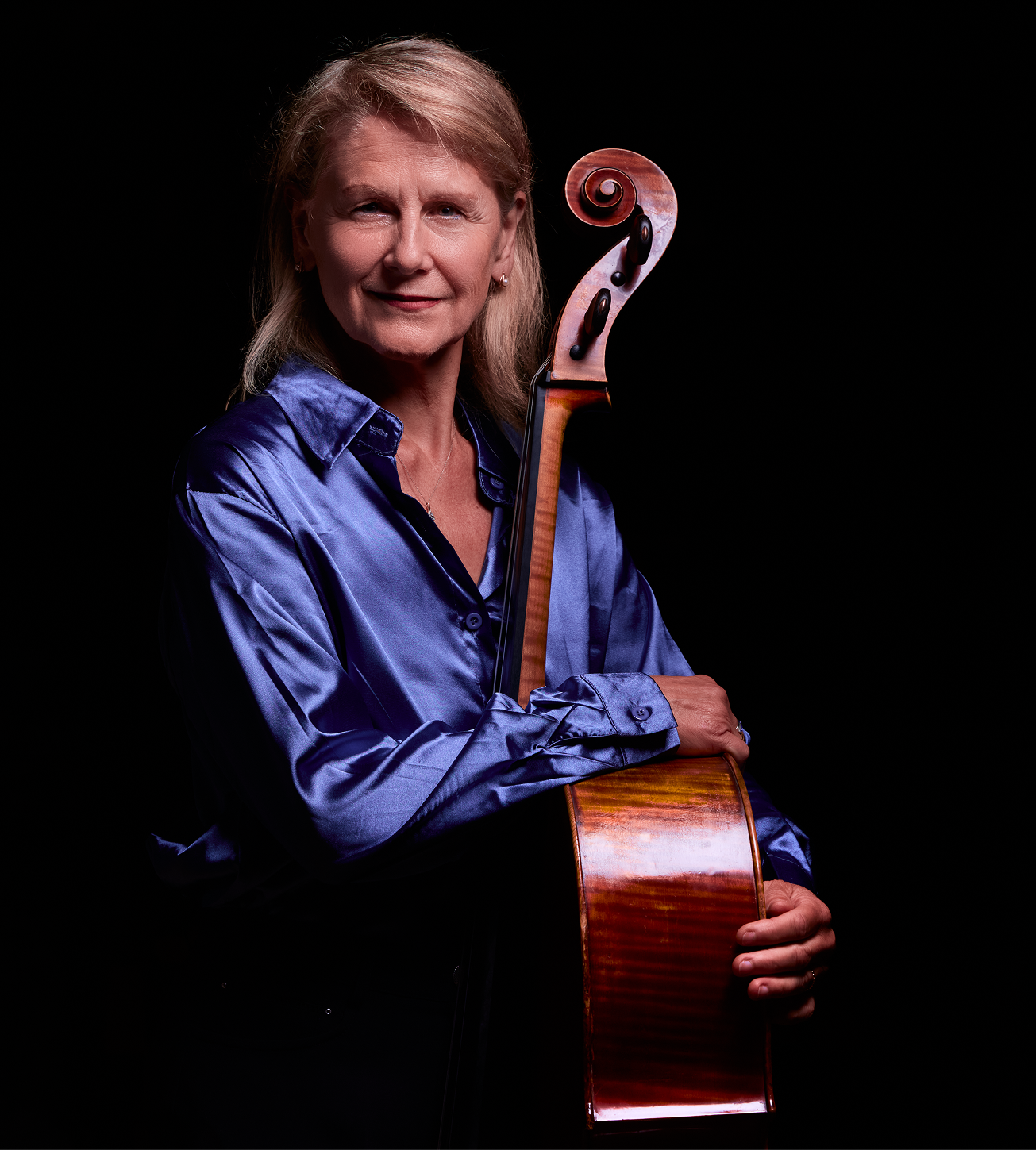
PhotoS
.png)


.svg)

